
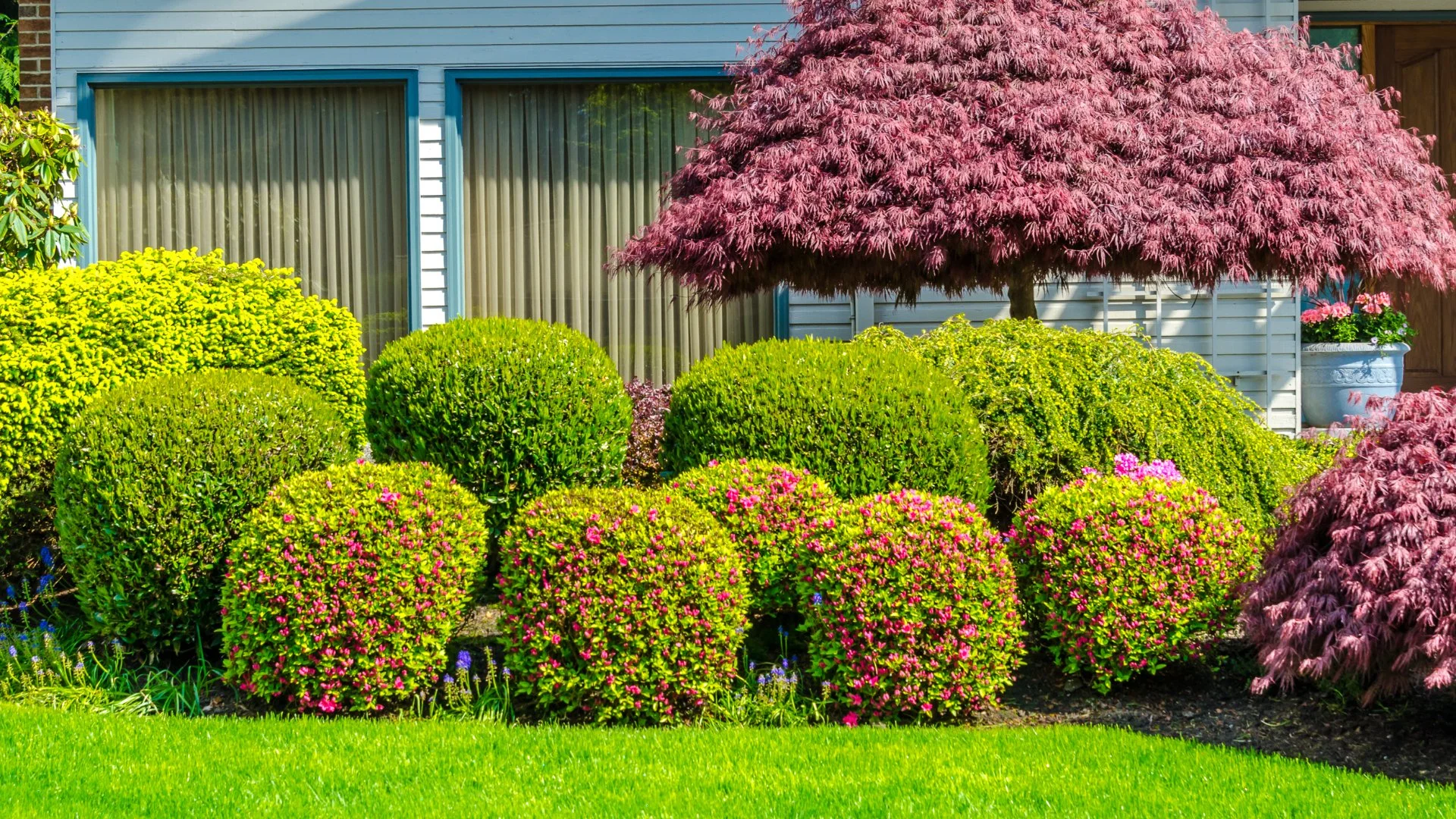
Proper pruning is a crucial part of plant care, and neglecting it can have detrimental effects on your plants. Not pruning can lead to weak and dead limbs, making your plants vulnerable to damage from severe weather in Pennsylvania. Additionally, unpruned plants become more susceptible to stressors like insects and diseases, as the dense foliage provides an ideal environment for pests and pathogens to thrive. Furthermore, failing to prune can decrease the quality and quantity of flower and fruit production, as the plant's energy is diverted to maintaining excessive growth. Regular pruning is essential to ensure the health, resilience, and productivity of your plants.
Not pruning your plants can result in weak and dead limbs.
Pruning is an essential practice for maintaining the health and vitality of your plants. One of the primary reasons to prune is to prevent weak and dead limbs. When plants are left unpruned, they can develop weak branches that are more susceptible to damage from severe wind, storms, and other environmental stressors.
Weak limbs can pose a significant risk to the overall health of the plant. They are more prone to breaking and can cause damage to the main structure of the plant. Additionally, resources are wasted on these parts, which could otherwise be utilized by healthier branches and limbs. By regularly pruning your plants, you can remove these weak and dead limbs, freeing up nutrients to promote the growth of strong and healthy branches.
Not pruning leaves your plants more susceptible to stressors like insects and diseases.
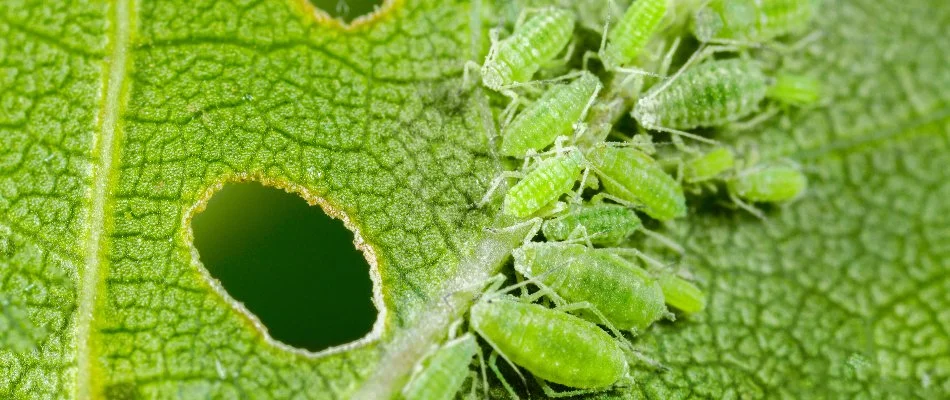
Another important reason to prune your plants is to protect them from stressors like insects and diseases. When plants are left unpruned, they can become dense and overcrowded, creating an ideal environment for pests and pathogens to thrive. The dense foliage provides shelter and protection for insects, making it more difficult to detect and control infestations.
Pruning helps to improve air circulation and sunlight penetration within the plant. This reduces the humidity and moisture levels, creating an environment that is less favorable for the development of fungal diseases. By removing excess foliage and thinning out the plant, you can promote better airflow and reduce the risk of disease.
In addition, pruning allows you to inspect your plants more closely for any signs of insect infestations or disease. Regularly pruning and monitoring your plants allows you to catch and address any issues early on, preventing them from spreading and causing further damage. This proactive approach to plant care can save you time, money, and effort in the long run.
Not pruning decreases the quality and amount of flowers and fruit your plants produce.
Pruning plays a crucial role in maintaining the quality and quantity of flower and fruit production in your plants. Failing to remove problematic parts will result in overgrowth and wasted resources, inhibiting them from flowering or producing fruit. By pruning your plants, you can remove excess, unhealthy growth and redirect their energy toward producing high-quality flowers and fruits. It'll also allow more sunlight and nutrients to reach the remaining blooms or fruits. This results in larger, healthier, and more vibrant flowers or fruits.
Pruning also helps to rejuvenate older plants and stimulate new growth. As plants age, they may become less productive and produce fewer flowers or fruits. By pruning back old and unproductive branches, you can encourage the growth of new shoots and increase the overall productivity of the plant.
Call us today to schedule our plant pruning service.
At Countywide Landscape, we offer a professional plant pruning service to help you maintain the health of your plants. Our pros practice selective pruning, meaning we'll only remove necessary branches and limbs to stimulate new growth and keep them in great shape. Residential and commercial properties, plus HOAs, in West Chester, Malvern, Wayne, and nearby areas in Pennsylvania are proudly served. Call us at (610) 285-9727 to schedule our pruning service.

Comments (0)
Thanks for your comment!
Thanks for your feedback! Your comments have been successfully submitted! Please note, all comments require admin approval prior to display.
Error submitting comment!
There is a problem with your comment, please see below and try again.