
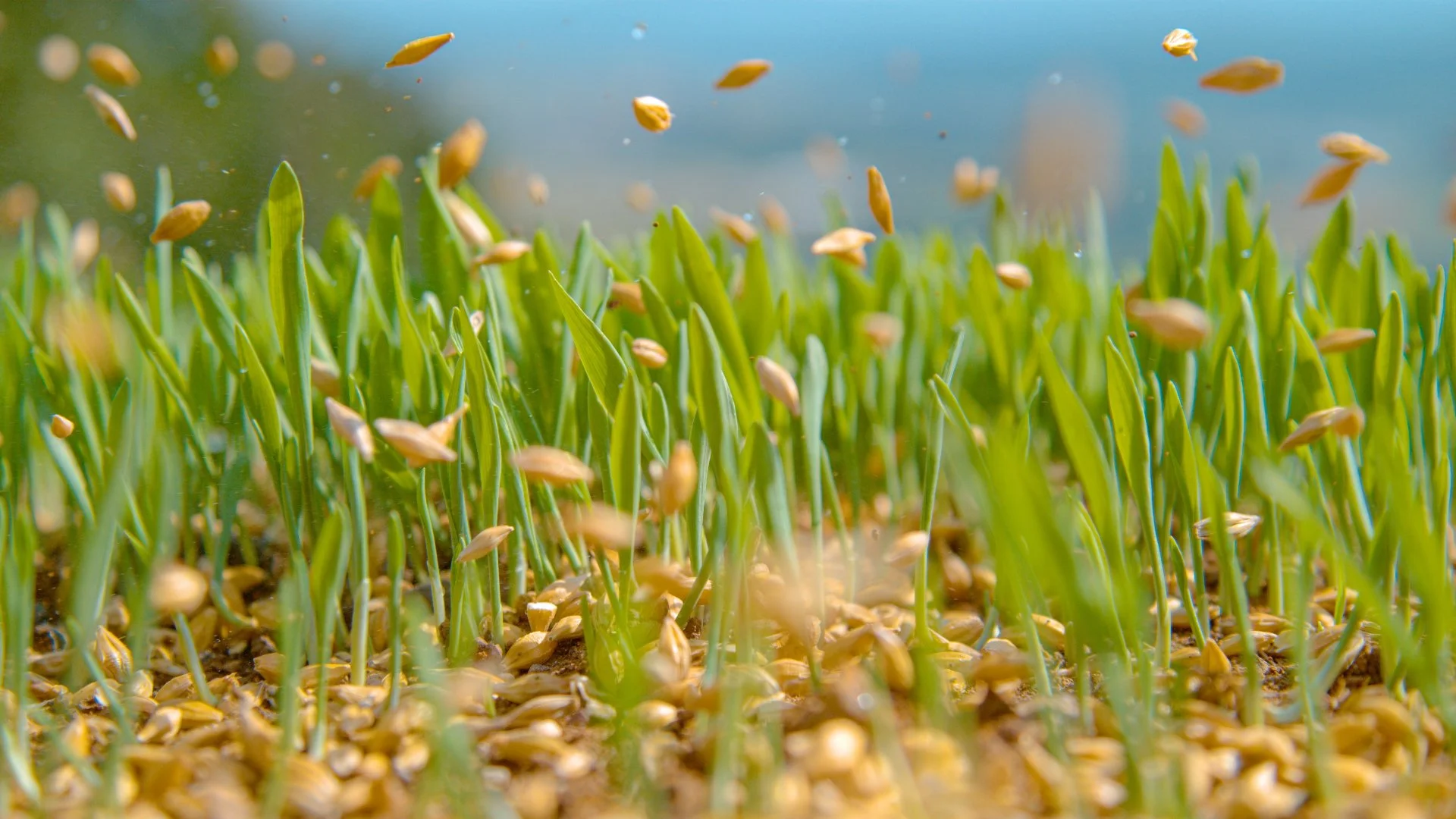
Overseeding can rejuvenate your lawn in Pennsylvania, but several factors can hinder new grass growth. Poor seed-to-soil contact and inconsistent watering, whether too much or too little, can prevent seeds from germinating properly. Additionally, poor soil conditions and incorrect planting temperatures can impede growth. Ensuring proper preparation, watering, and timing can significantly improve the chances of successful overseeding.
Poor seed-to-soil contact can prevent grass from growing after overseeding.
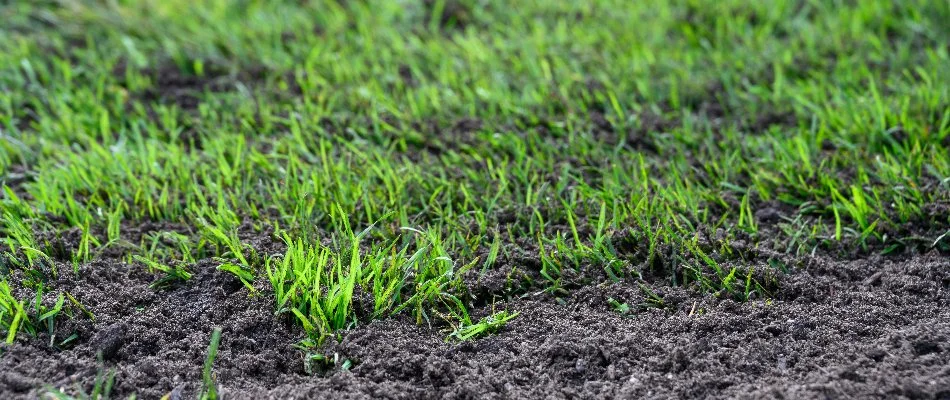
One of the most common reasons new grass fails to grow after overseeding is poor seed-to-soil contact. For seeds to germinate effectively, they need to be in direct contact with the soil. If seeds are scattered on top of existing grass or debris without proper integration into the soil, they may not receive the necessary nutrients and moisture required for growth. To ensure good contact, it's crucial to prepare the lawn properly by mowing it short and raking to remove debris before overseeding. This preparation helps the seeds settle into the soil better.
Another effective way to improve seed-to-soil contact is to aerate the soil before overseeding. This process creates small holes on the ground, allowing seeds to penetrate the soil more easily. After spreading the seed, lightly rake the area or use a roller to press the seeds into the soil. This step ensures that seeds are well-positioned to absorb moisture and nutrients, increasing their chances of successful germination.
Grass might not grow after overseeding due to inconsistent watering.
Proper watering is critical for seed germination, yet many people struggle to find the right balance. Inconsistent watering can lead to poor grass growth, as seeds need a steady supply of moisture to sprout. Underwatering is a common issue, especially in areas with hot, dry climates. If seeds dry out, they won't germinate, and your overseeding effort will be wasted. To prevent this, water the newly seeded area lightly but frequently initially, keeping the soil consistently moist until the grass reaches about two inches in height.
Overwatering, on the other hand, can suffocate seeds and lead to fungal growth. Excessive moisture can wash away seeds or cause them to rot before they have a chance to germinate. To avoid overwatering, ensure that the soil is damp but not waterlogged. A good rule of thumb is to water in the early morning or late afternoon to minimize evaporation and allow the soil to absorb moisture more effectively.
Poor Soil Conditions or Temperature Can Inhibit Grass Growth After Overseeding
Soil quality is another critical factor in the success of overseeding. If the soil is compacted, lacks nutrients, or has poor drainage, new grass seeds will struggle to grow. Testing the soil before overseeding can provide valuable insights into its nutrient content and pH level. Based on the results, you can amend the soil with fertilizers or organic matter to create a healthier environment for grass growth. Aerating the soil can also improve its structure, allowing roots to penetrate more easily.
Temperature plays a significant role in seed germination as well. Grass seeds won't germinate if they're spread during the hot summer months or if it's too late in the fall when soil temperatures drop below 50 degrees Fahrenheit. The ideal time for overseeding varies by grass type, but generally, early fall provides optimal conditions. Planting seeds when temperatures are too extreme can hinder their ability to access the resources they need to grow.
Call us today to schedule our overseeding service!
If you want to thicken up your lawn through overseeding and want to ensure the process is done right, we can help. Here at Countywide Landscape, we offer a professional overseeding service to introduce new grass growth and help you achieve a denser, thicker lawn! When you sign up for this service, our team will use a premium fescue seed blend, ensuring it is spread evenly and under the right conditions to achieve optimal results. We proudly serve homeowners and business owners, as well as HOAs, in West Chester, Malvern, Wayne, PA, and surrounding areas. Call us today at (610) 285-9727 to sign up!

Comments (0)
Thanks for your comment!
Thanks for your feedback! Your comments have been successfully submitted! Please note, all comments require admin approval prior to display.
Error submitting comment!
There is a problem with your comment, please see below and try again.