
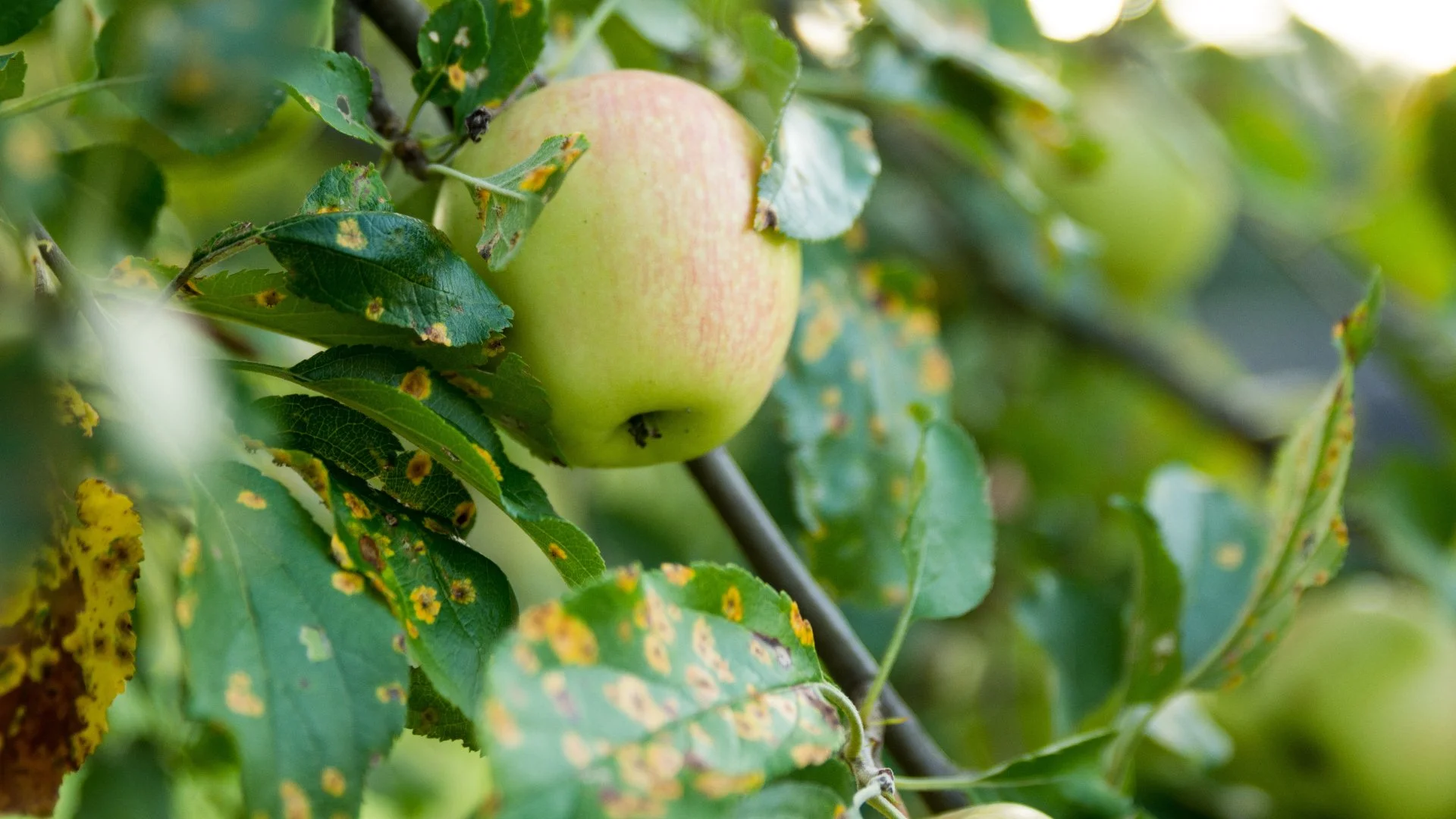
If you've noticed strange, horn-like growths on your apple tree in Pennsylvania, it's likely cedar apple rust. This fungal disease affects apple trees by causing orange spots on leaves and fruit, along with the development of horn-like growths. To combat this, you should invest in curative treatments to eliminate the infection. However, for long-term protection, it's advisable to enroll in a tree and shrub care program. These programs typically include fertilization and consistent monitoring of your plants' health to keep them in good shape and resistant to cedar apple rust and other diseases.
What is cedar apple rust, and how does it affect apple trees?
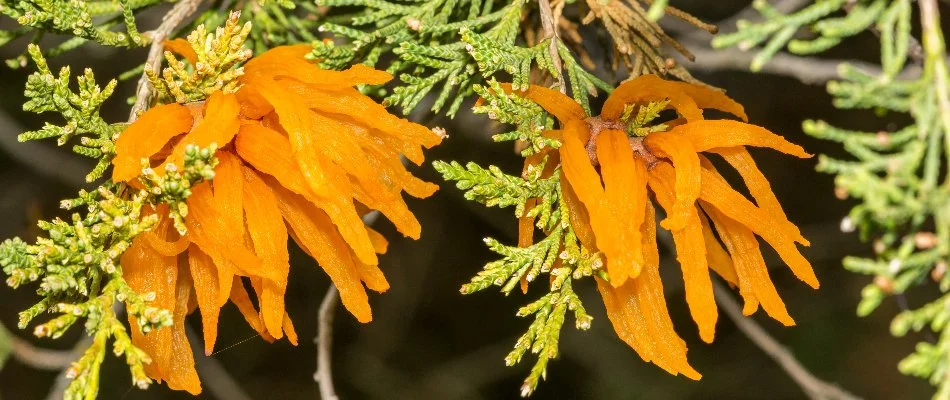
Cedar apple rust is a disease that commonly affects apple trees. It is caused by a fungus and is characterized by the distinctive horn-like growths that appear on the leaves and fruit of infected apple trees. These growths release spores that can spread the disease to other trees.
The disease cycle of cedar apple rust involves two different host plants: apple trees and certain species of juniper or cedar trees. The fungus overwinters on the juniper or cedar trees, where it produces orange, gelatinous galls in the spring. These galls release spores that are carried by the wind to nearby apple trees, where they infect the leaves and fruit.
Once the apple tree is infected, the fungus causes the formation of yellow-orange spots on the leaves and fruit. As the disease progresses, the spots develop into the characteristic horn-like growths. These growths can result in defoliation and premature dropping of fruit.
Invest in curative treatments to eliminate cedar apple rust from your apple tree.
If you suspect that your apple tree is infected with cedar apple rust, it is important to take action to eliminate the disease. Curative treatments are available that can help control and eradicate the fungus. They can be applied to the affected areas of the apple tree to help eliminate the fungus and prevent further spread.
It is important to note that fungicides are most effective when applied at the right time. The timing of the application will depend on the specific fungicide being used and the stage of the disease. Pruning the infected parts of your apple tree is also an effective way to stop cedar apple rust from spreading.
Sign up for a tree and shrub care program to keep your trees healthy against cedar apple rust in the future.
To prevent future outbreaks of cedar apple rust and keep your apple trees healthy, it is advisable to sign up for a tree and shrub care program. These programs are designed to provide regular care for your trees and shrubs, helping to prevent and manage diseases like cedar apple rust.
A tree and shrub care program typically includes regular inspections by trained professionals who can identify early signs of disease and take appropriate action. Additionally, it may encompass other services like fertilization and insect control. These services help to promote the overall health and vigor of your plants, making them more resistant to insects and diseases like cedar apple rust.
By enrolling in a tree and shrub care program, you can have peace of mind knowing that your apple trees are being properly cared for and protected against cedar apple rust. Regular care and preventive measures can help to minimize the risk of infection and ensure the long-term health and productivity of your apple trees.
Call us today to schedule our tree and shrub disease control service.
Don't let cedar apple rust take over your apple trees! Our team at Countywide Landscape offers curative disease control treatments as part of our tree and shrub care program, which are effective against cedar apple rust, plus other harmful plant diseases. Not only that, but you can also expect fertilization and insect control to keep your plants healthy and free of insects.
Homeowners, business owners, and HOAs in West Chester, Malvern, Wayne, PA, and other surrounding areas can take advantage of our tree and shrub disease control service. Call us today at (610) 285-9727 to schedule!

Comments (0)
Thanks for your comment!
Thanks for your feedback! Your comments have been successfully submitted! Please note, all comments require admin approval prior to display.
Error submitting comment!
There is a problem with your comment, please see below and try again.