
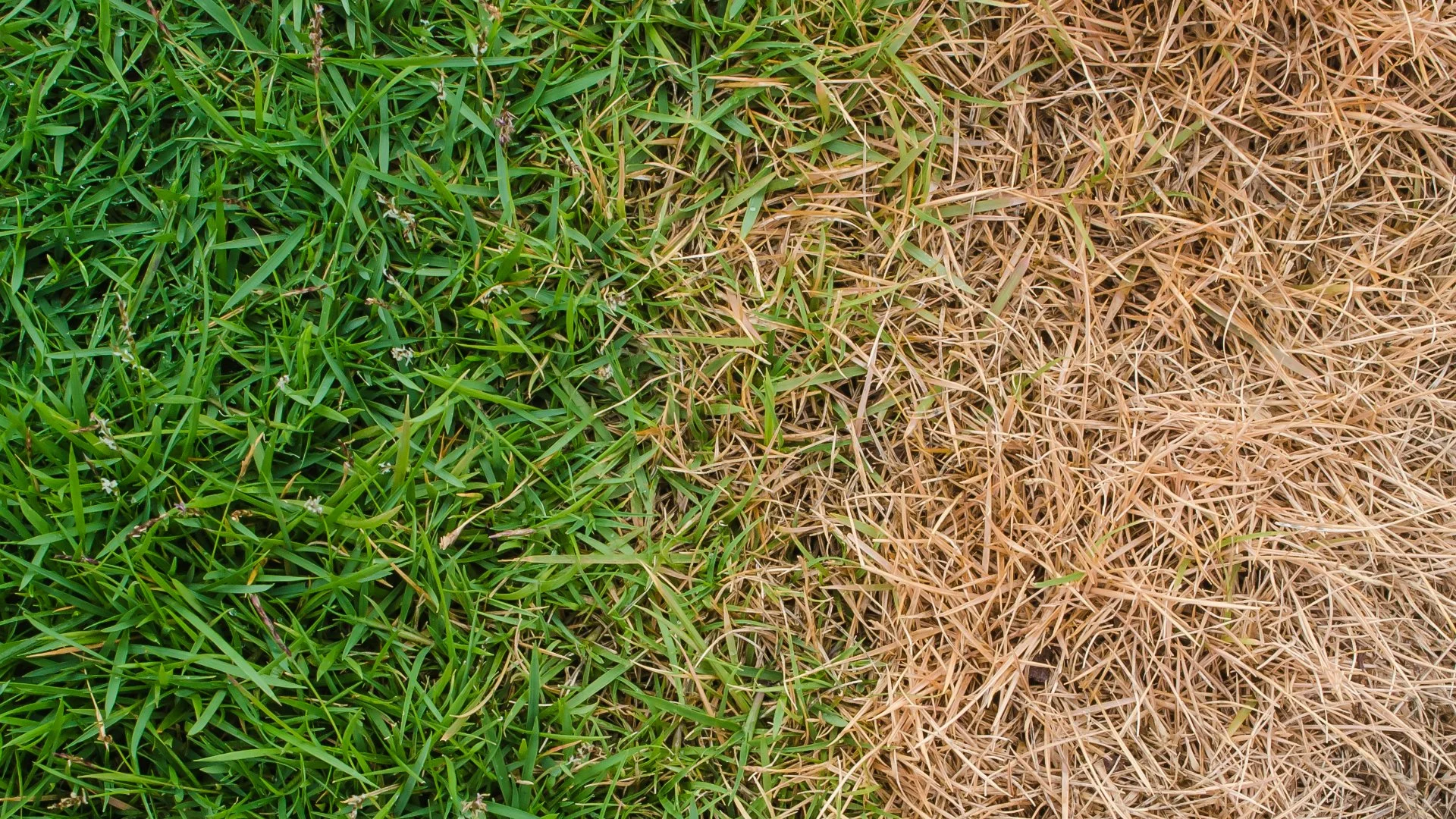
A browning lawn can be caused by various reasons, including dehydration, overfertilization, or a lawn disease. Dehydration occurs in hot months, leaving a dull, bluish-gray tinge and dry soil. Make sure you stick to a good watering schedule to keep your grass adequately hydrated. Overfertilization results in sudden brown patches with a crusty residue, caused by excess salts. Avoid this by using slow-release fertilizers and not applying too much.
Lawn diseases like brown patch, dollar spot, and rust thrive in specific conditions, creating distinct brown spots and weakening grass. Proper lawn care, including watering and tailored fertilization, is essential to prevent and address these issues, ensuring a healthy, green lawn in Pennsylvania.
Dehydration Can Cause Your Lawn to Turn Brown
One of the most common causes of brown patches in a lawn is dehydration. Grass needs a consistent supply of water to thrive, and during dry spells or periods of inadequate watering, it can quickly become stressed. Dehydration typically occurs in the hottest months when evaporation rates are high and rainfall is low.
Signs that your lawn is suffering from dehydration include a dull, bluish-gray tinge before turning brown, and footprints remaining visible on the grass after being stepped on. The soil may also feel dry and hard to the touch. To address dehydration, it's important to establish a regular watering schedule, ensuring your lawn receives about 1 to 1.5 inches of water per week, either from rainfall or irrigation. Watering early in the morning allows the grass to absorb moisture before the heat of the day sets in.
Overfertilization is a common culprit of brown lawns.
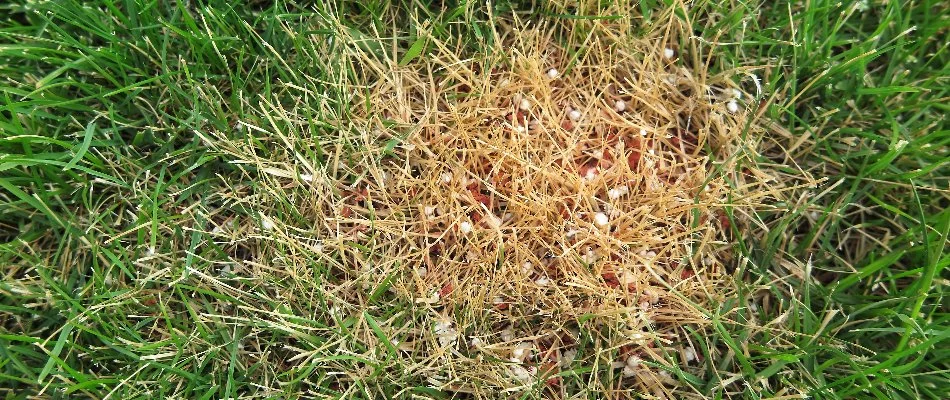
While fertilization is essential for providing nutrients that promote healthy growth, too much of it can harm your lawn. Overfertilization can lead to fertilizer burn, which causes the grass to turn brown due to an excess of salts in the soil, drawing moisture away from the roots.
Signs of overfertilization include brown patches that appear suddenly and are often accompanied by a crusty white residue on the soil surface, resulting from the excess salts. The grass blades may also appear scorched or wilted. To prevent overfertilization, follow recommended guidelines for the type and amount of fertilizer suited to your specific grass species. Conducting a soil test can help determine nutrient needs, and using slow-release fertilizers can minimize the risk of burn. If overfertilization occurs, watering the affected areas deeply can help leach out the excess salts.
Lawn diseases can lead to brown grass.
Lawn diseases are another possible culprit behind browning grass. Many fungal diseases thrive in specific environmental conditions and can spread quickly across a lawn if not addressed. Some common lawn diseases that cause browning include:
- Brown Patch: This disease often appears as circular patches of brown grass with a darker ring around the edges. It thrives in hot, humid weather, typically during the summer months.
- Dollar Spot: Identified by small, silver-dollar-sized spots of brown grass, this disease favors warm days and cool nights and can be exacerbated by low nitrogen levels in the soil.
- Rust: This disease gives grass blades an orange-brown tint, particularly during dry weather. It can weaken the grass over time, making it more susceptible to other issues.
Give us a call today to schedule any of our lawn care services!
At Countywide Landscape, we understand the importance of maintaining a healthy and beautiful lawn. That's why we offer comprehensive lawn care services, like lawn fertilization and lawn disease control. These services ensure your grass is properly nourished and protected from problematic fungal issues to maintain its lush, green growth.
We offer these lawn care services to commercial and residential property owners, as well as HOAs, in West Chester, Malvern, Wayne, and nearby areas in Pennsylvania. Give us a call today at (610) 285-9727 to schedule any of these services!

Comments (0)
Thanks for your comment!
Thanks for your feedback! Your comments have been successfully submitted! Please note, all comments require admin approval prior to display.
Error submitting comment!
There is a problem with your comment, please see below and try again.