
Pruning your plants in Pennsylvania is essential to maintain their optimal health and appearance, but how do you know when it's time? Plants need pruning when exhibiting signs like broken or weak branches, often caused by storms or damage, which can pose safety risks and invite pests. Dense plant canopies hinder air circulation and light, fostering fungal diseases, so thinning is essential.
Dead or dying plant parts should be pruned to redirect energy to healthy growth and prevent disease. Misshapen plants, resulting from uneven growth or improper pruning, benefit from corrective pruning to restore balance and enhance aesthetics. Regular pruning maintains plant health, directing resources efficiently and encouraging new growth.
Broken or Weak Branches Indicate Your Plants Need to Be Pruned
One of the most obvious signs that your plants need pruning is the presence of broken or weak branches. Storms, heavy winds, or physical damage can cause branches to snap or weaken. These branches not only detract from the appearance of the plant but can also pose safety hazards, especially if they are large and overhanging.
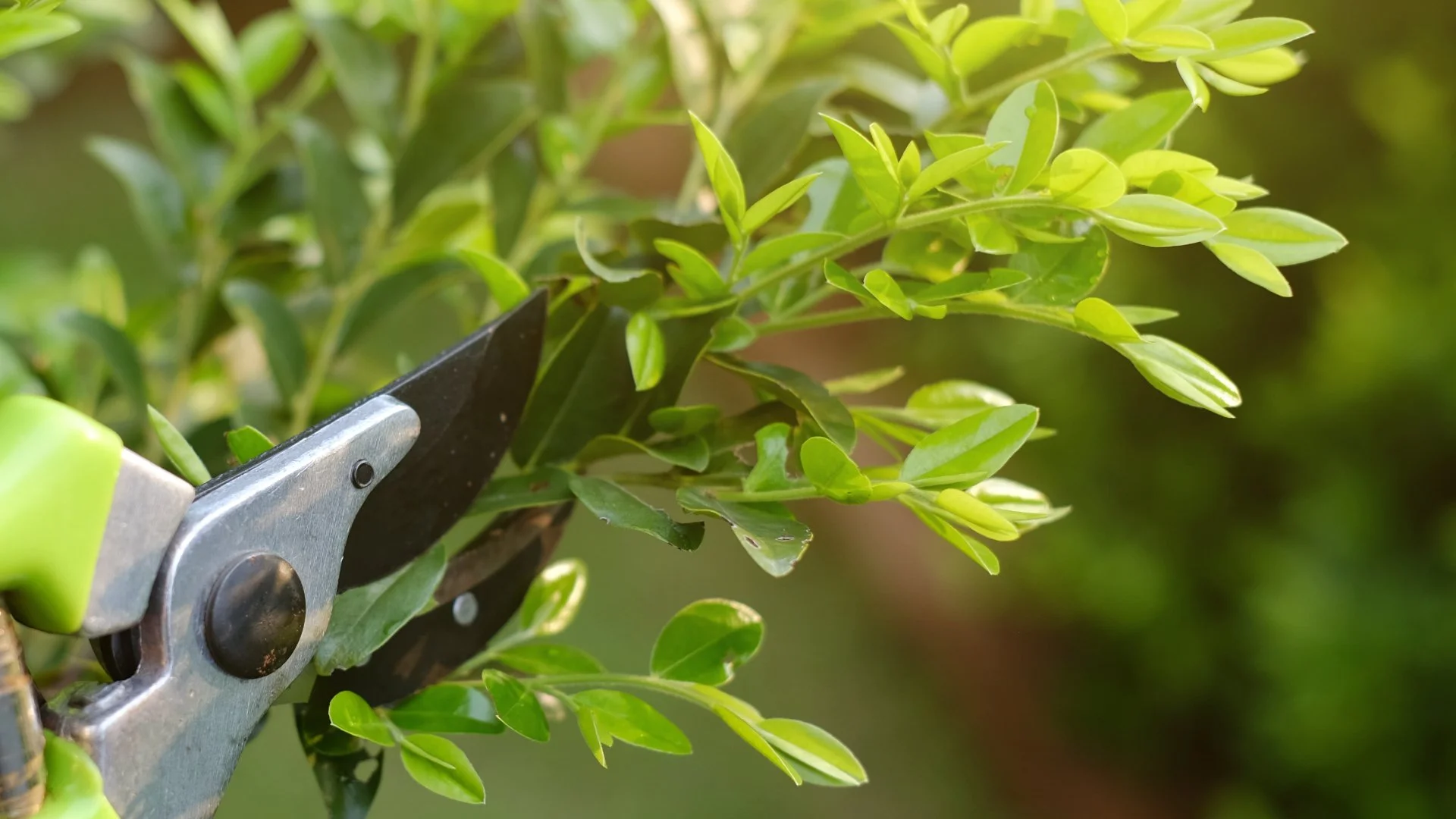
Additionally, damaged branches can become entry points for pests and diseases. Pruning them promptly prevents potential infestations and further damage. Use clean, sharp tools to make clean cuts and remove the affected branches carefully to maintain the plant's health and structure.
Plants That Are Too Dense to See Through Need Pruning
When a plant becomes too dense, it’s another clear indication that it needs pruning. An overly dense canopy can inhibit air circulation and light penetration, essential elements for healthy plant growth. Poor airflow can lead to moisture buildup, increasing the risk of fungal diseases.
To address this, thin out excess branches to improve air circulation and light exposure. Focus on removing crossing branches or those growing inward. This practice not only enhances plant health but also opens up the structure, creating a more pleasing appearance.
Pruning is necessary if parts of your plants are dead or dying.
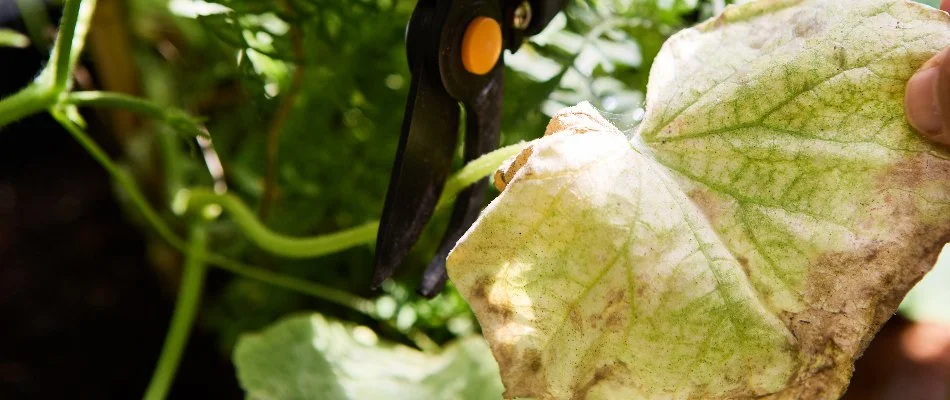
Dead or dying parts of a plant should be pruned immediately. These sections are often brown, brittle, and visibly different from healthy foliage. Removing dead or dying parts is crucial as they can harbor pests and diseases. By cutting away these areas, you direct the plant’s energy toward new growth and healthy development. Regularly inspect your plants to identify any dead or dying sections and prune them with care using sanitized tools to prevent disease spread.
Misshapen plants need to be pruned.
Plants can sometimes grow unevenly, becoming misshapen over time. This can happen due to environmental factors, uneven sunlight, or previous improper pruning. Misshapen growth can affect both the health and aesthetics of your plants. Corrective pruning can help restore the desired shape and balance. Focus on trimming overgrown sections and encouraging symmetrical growth. Consider the natural form of the plant when pruning to enhance its natural beauty and ensure stability.
Give our team a call today to schedule our trimming and pruning service!
At Countywide Landscape, we understand the importance of maintaining healthy and beautiful plants, which is why we offer our trimming and pruning service to do just that! Our team will keep an eye out for the signs that indicate your plants need to be pruned, then do it right to ensure we only remove the necessary parts. We will exercise precision and pay keen attention to detail so that we don't cut off too much and damage your plants. With our experts, you can trust that your plants are in good hands and will look their best year after year.
We offer this service to commercial and residential properties, as well as HOAs, in West Chester, Malvern, Wayne, PA, and other nearby areas. Call us today at (610) 285-9727 to schedule and help your plants reach their full potential!

Comments (0)
Thanks for your comment!
Thanks for your feedback! Your comments have been successfully submitted! Please note, all comments require admin approval prior to display.
Error submitting comment!
There is a problem with your comment, please see below and try again.