
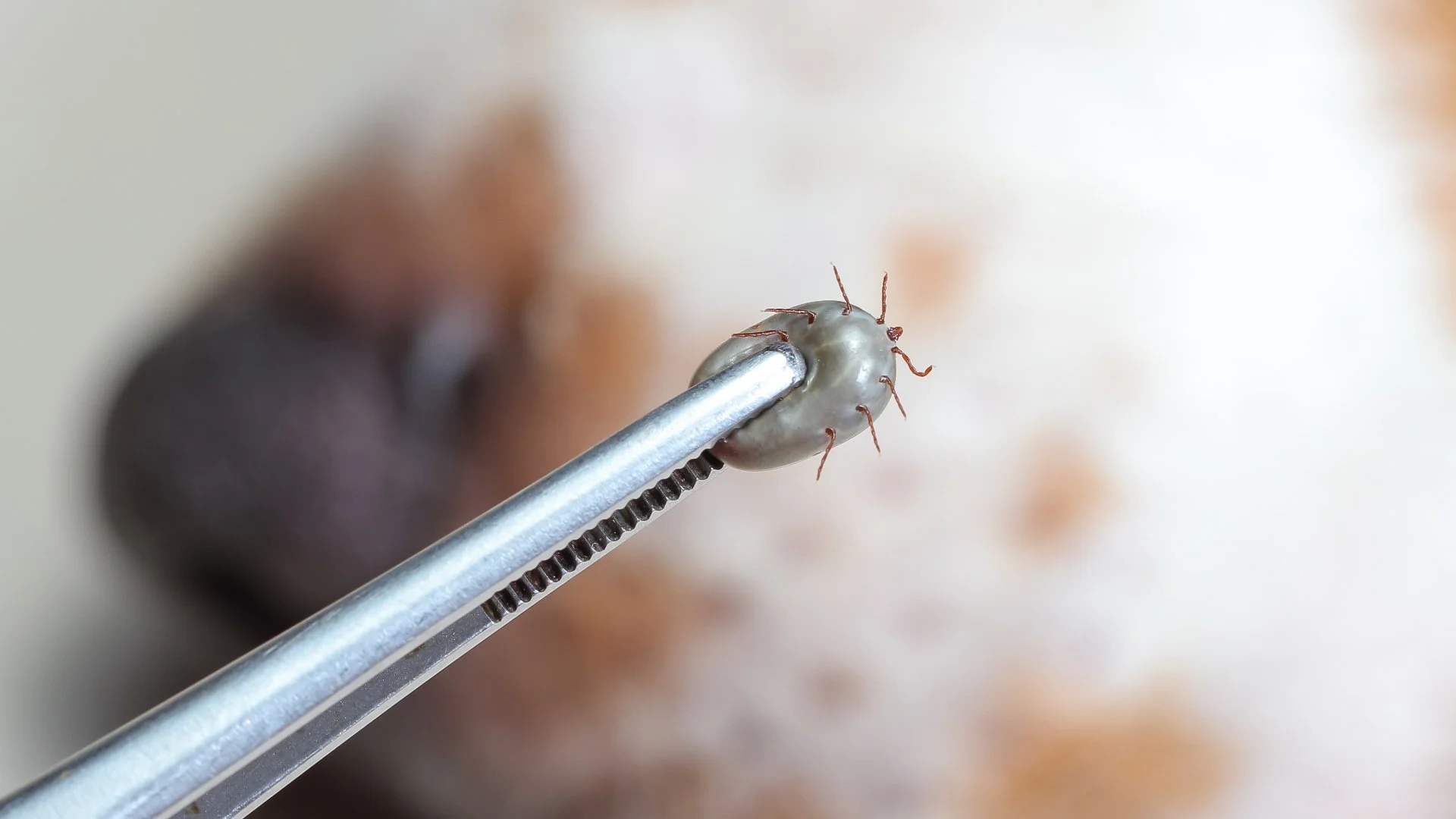
As a pet owner, ensuring pet safety during the tick season in Pennsylvania is essential. Ticks can pose serious health risks to your pets, so it's vital to take proactive measures. During tick season, regularly check your pets for ticks by feeling for bumps in their fur, especially in hidden spots like between toes and inside ears. If you find a tick, remove it with tweezers by pulling straight out, avoiding twisting. A tick remover tool can also work, but make sure to follow instructions carefully. After removal, clean the area and monitor your pet for illness. Consider enrolling in a tick control program to treat your yard and significantly reduce the tick population on your property. This proactive approach, along with regular checks and safe removal, helps protect your pet’s health.
Scan Your Pets for Ticks Often During Tick Season
Ticks are stealthy pests, and regularly checking your pets is essential during tick season. Run your fingers slowly through their fur, feeling for any bumps or swollen areas. It’s crucial to be thorough in your checks. Don’t just focus on their torso; inspect between their toes, around their legs, inside their ears, and all over their face and neck. These hidden spots are favored by ticks and can be easily overlooked.
Stay calm and speak gently to your pet as you inspect them. Making it a relaxing routine can help pets remain calm and cooperative during the process. Frequent checks are vital for early detection, reducing the risk of disease transmission from these parasites.
What should you do if you spot a tick on your pet?
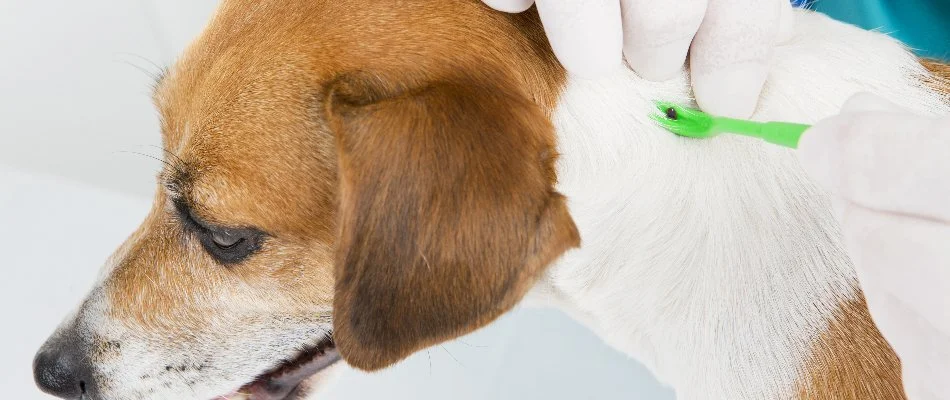
Finding a tick on your pet can be alarming, but knowing how to remove it safely is important. You can use a pair of fine-tipped tweezers or a tick remover tool. Here’s how to do it:
- Tweezer Method: Grasp the tick as close to the skin’s surface as possible. Pull outward with steady, even pressure. Avoid twisting or jerking, as this might leave parts of the tick embedded in the skin, potentially causing an infection.
- Tick Remover Tool: These tools are designed to make removal easier. Follow the package instructions, usually involving sliding the tool under the tick and gently lifting it out without twisting.
After removal, clean the bite area and your hands with rubbing alcohol or soap and water. Monitor your pet for any signs of illness, such as lethargy or loss of appetite, and consult with a vet if concerned.
Enroll in a Tick Control Program to Protect Your Pets From Ticks
To reduce the presence of ticks on your property, consider enrolling in a tick control program. Professionals can treat your yard multiple times throughout tick season, significantly decreasing the population. These treatments target the areas where ticks thrive, such as tall grasses, shrubs, and wooded areas.
By maintaining a tick-free zone, you can minimize the chances of your pets picking up ticks when they're outside. This proactive approach complements regular checks and safe removal practices, maximizing your pet’s safety.
Give us a call today to sign up for our tick control service!
Pet safety during tick season requires vigilance and proactive measures. Here at Countywide Landscape, we will help provide another layer of protection for your pets against these bloodthirsty pests with our tick control service! This service involves treatments every 4 weeks from April/May through October. With this schedule, you can rest assured your property has consistent, overlapping protection against ticks when they are most active. We'll also use backpack foggers to administer the treatments so the product can get into hard-to-reach areas.
Our team offers this service to commercial and residential properties, as well as HOAs, in West Chester, Malvern, Wayne, PA, and surrounding areas. Give us a call today at (610) 285-9727 to sign up!

Comments (0)
Thanks for your comment!
Thanks for your feedback! Your comments have been successfully submitted! Please note, all comments require admin approval prior to display.
Error submitting comment!
There is a problem with your comment, please see below and try again.