
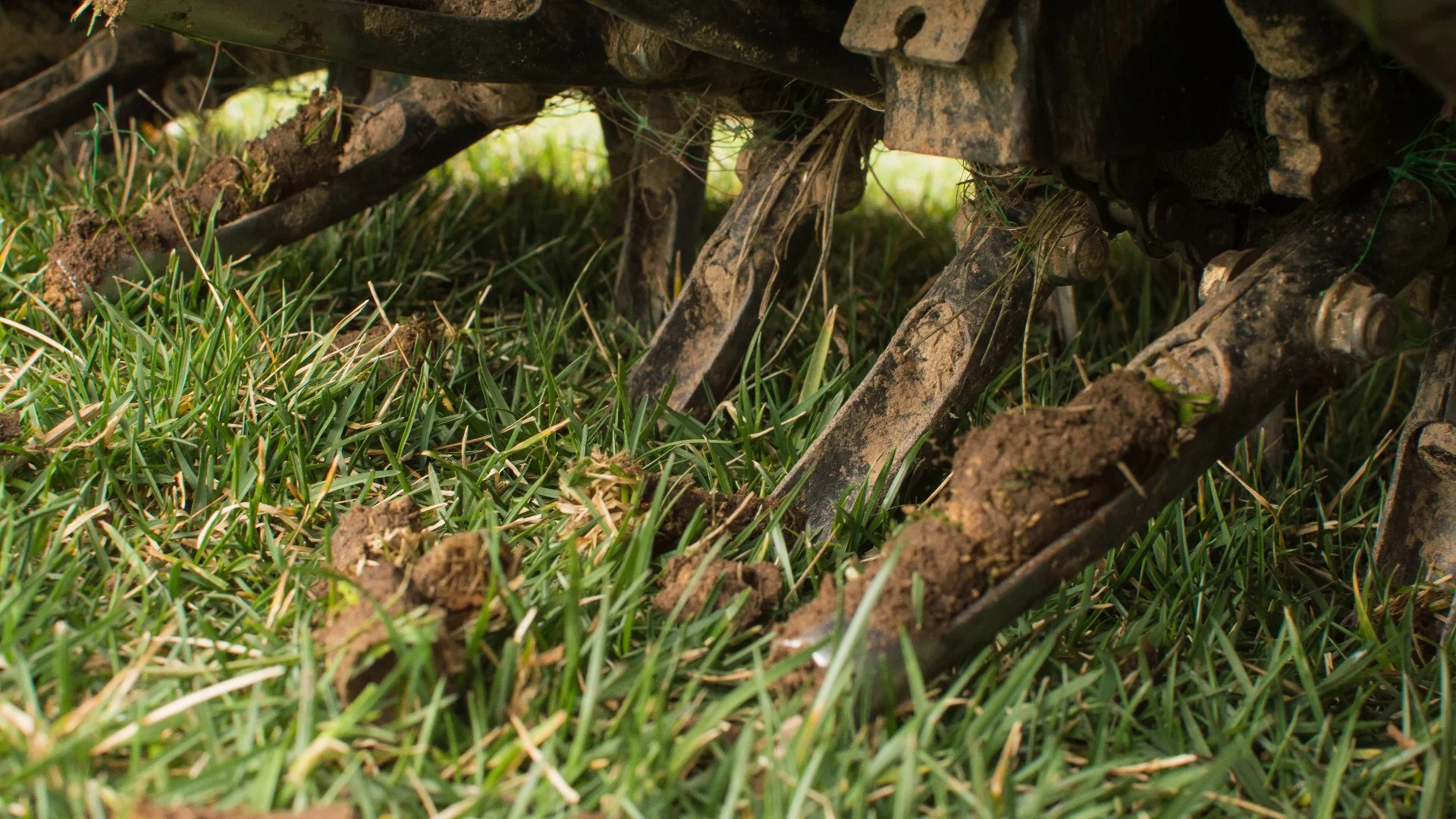
After aeration, it's crucial to care for your lawn by following key steps. First, water thoroughly and deeply to prevent the soil from drying out and to encourage deep root growth, aiming for at least 6 inches of moisture penetration. Next, minimize foot and machinery traffic to allow the grass to recover without added stress. Lastly, make sure to leave the soil cores on the lawn to decompose naturally, returning nutrients and enhancing soil structure. These practices ensure a healthier, more resilient lawn in Pennsylvania over time.
Water Your Lawn Thoroughly & Deeply Immediately After Aeration
Immediately after aeration, it's important to water your lawn thoroughly and deeply. This step prevents the soil from drying out and helps the roots absorb essential nutrients. Deep watering encourages roots to grow deeper into the soil, promoting a stronger and more resilient lawn. Aim to water your lawn to a depth of at least 6 inches. This ensures that moisture reaches the root zone, where it's needed most.
Watering deeply also helps to soften the soil, making it easier for the roots to expand into the newly created holes. This process enhances nutrient uptake and improves the overall health of your lawn. Be mindful of weather conditions; if rain is forecasted, adjust your watering schedule accordingly to avoid overwatering.
Avoid Heavy Foot & Machinery Traffic on Your Lawn for Some Time After Aeration
After aerating, it's essential to minimize foot and machinery traffic on your lawn. This allows the grass to recover without additional stress or compaction. Heavy traffic can compress the soil, undoing the benefits of aeration and hindering root growth. To protect your lawn, try to limit activities such as lawn mowing, playing sports, or hosting gatherings for a couple of weeks.
If you must mow your lawn, ensure that your mower blades are sharp and set to a higher cutting height. This reduces stress on the grass and prevents damage to the tender, newly exposed roots. Encouraging family members and pets to use designated pathways can also help minimize wear and tear on the lawn during the recovery period.
Leave the Leftover Soil Cores From Aeration on Your Lawn to Decompose
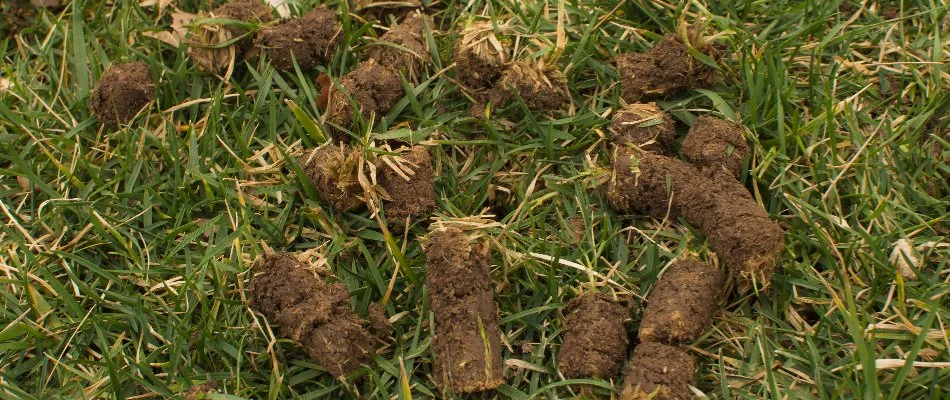
During aeration, small plugs or cores of soil are removed and left on the lawn's surface. It's best to leave these soil cores in place to decompose naturally. As they break down, they return valuable nutrients and organic matter to the soil, enhancing its structure and fertility. The decomposed cores also improve the soil's ability to retain moisture, further benefiting root growth.
Leaving the soil cores on your lawn also aids in the natural thatch decomposition process. Thatch is a layer of organic material that can build up on the soil surface, preventing water and nutrients from reaching the roots. By incorporating the decomposed cores into the soil, you help break down thatch and improve soil health.
While the appearance of soil cores may be unsightly at first, they will gradually disappear as they decompose and are worked back into the soil by rain and foot traffic. If you prefer a neater appearance, you can lightly rake the cores to help speed up the process.
Call us today to schedule our aeration service!
Aerating your lawn helps the roots grow stronger and absorb much-needed nutrients more effectively. At Countywide Landscape, we offer a professional core aeration service that is designed to loosen up tightly packed soil and promote healthier grass growth. This service is offered in the fall to ensure conditions are right for your lawn to withstand and recover from the process. We offer our aeration service to homeowners and business owners, as well as HOAs, in West Chester, Malvern, Wayne, and nearby areas in Pennsylvania. Give us a call at (610) 285-9727 to schedule this service today!

Comments (0)
Thanks for your comment!
Thanks for your feedback! Your comments have been successfully submitted! Please note, all comments require admin approval prior to display.
Error submitting comment!
There is a problem with your comment, please see below and try again.