

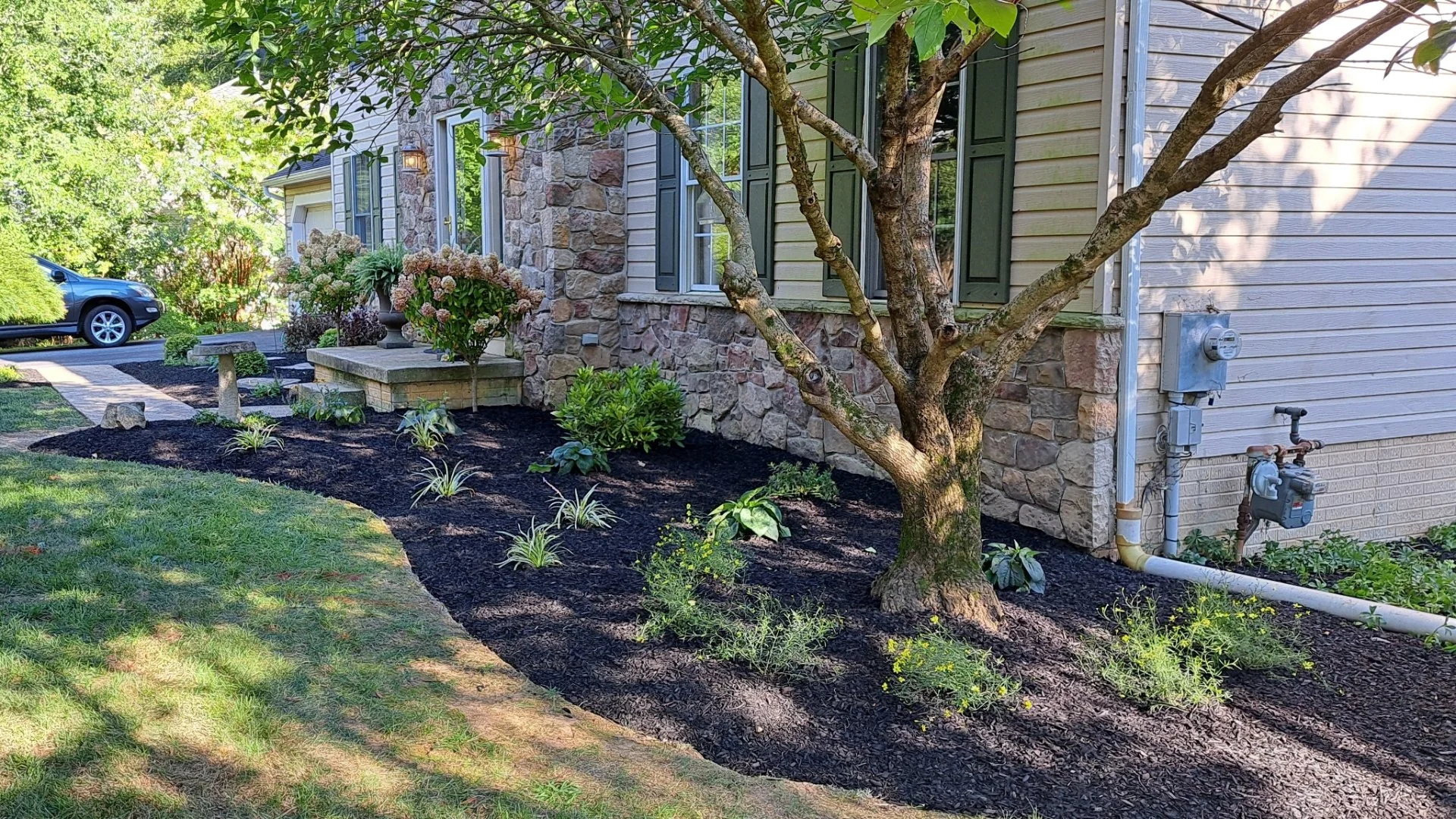
Adding depth to your landscape is an art form that can transform your outdoor space into a breathtaking masterpiece. One of the most effective ways to achieve this is through the strategic layering of plants. Creating a well-layered garden involves strategically arranging plants by height using the 3-tier rule: tallest plants at the back, medium-sized in the middle, and small ones in front. Staggering plants in a zig-zag pattern adds a dynamic, natural look, especially in smaller gardens.
Another way to add depth to your landscape is by grouping 3-5 plants of the same type to create bold focal points. Incorporating diverse leaf textures and shapes, along with contrasting or complementary colors, enriches the design, making the garden vibrant and engaging. These techniques transform your flat landscape in Pennsylvania into a lively, cohesive space.
Arrange Your Plants by Height For a Cohesive Landscape Design
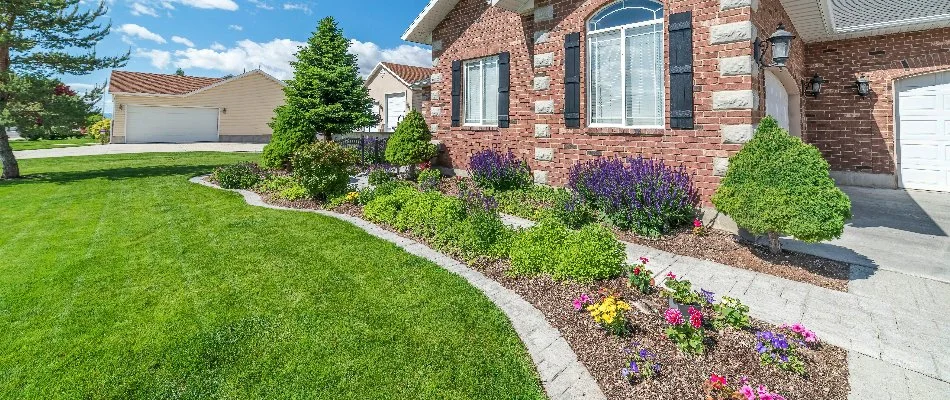
Creating a well-layered garden involves strategically arranging plants by height, which enhances depth and visual appeal. By following the 3-tier rule, you can create a harmonious and cohesive landscape. Here’s how to effectively arrange your plants:
- Tallest Plants (Back or Center): Start with the tallest plants, such as trees and large shrubs, at the back or center of your garden bed. These plants serve as a backdrop, anchoring the design and providing structure. They also create privacy and frame the garden.
- Medium-Sized Plants (Middle): Position medium-sized plants, like perennials and smaller shrubs, in front of the tallest plants. They act as a transitional layer, bridging the height gap between the tallest and shortest plants. This layer adds volume and richness to your garden.
- Small/Low-Growing Plants (Front): Use small or low-growing plants, including annuals, perennials, and ground covers, at the front. These plants soften the edges of your garden and lead the eye through the landscape. They add color and texture at ground level, completing the layered look.
Stagger plants in a zig-zag pattern for a dynamic look in your landscape.
Instead of lining up your plants in straight rows, consider staggering them in a zig-zag pattern. This technique not only adds depth but also allows you to appreciate the variety of plants more easily. By breaking up the linearity, you create a more dynamic and natural look. The zig-zag arrangement encourages the eye to move across the landscape, making it appear more expansive and layered. This method is particularly effective in smaller gardens, where creating the illusion of space is essential.
Group 3-5 Plants of the Same Type Together in Your Landscape
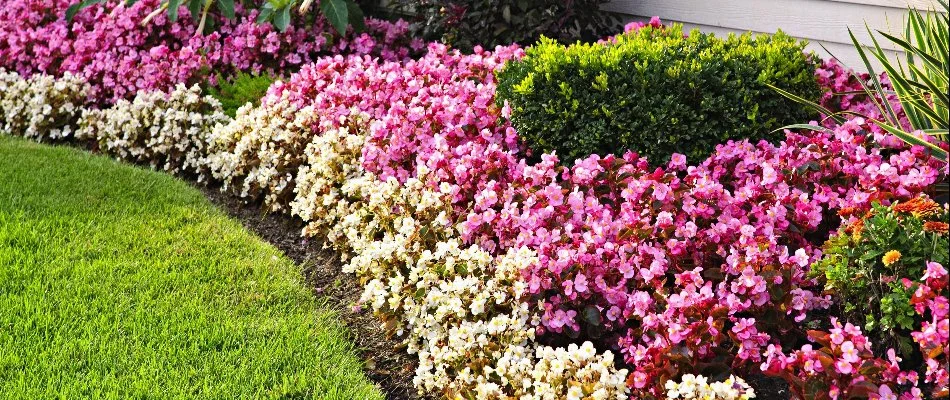
For a more striking visual effect, group 3-5 plants of the same type together rather than scattering them throughout the landscape bed. Clusters of the same plant create bold, eye-catching focal points that draw attention. This approach also enhances the texture and color of the plants, making them stand out more prominently. Grouping plants simplifies maintenance and allows each type to thrive in its preferred conditions, as similar plants often have comparable needs.
Use Contrasting Leaf Textures & Shapes in Your Landscape Beds
Incorporating a variety of leaf textures and shapes is a powerful way to add depth and dimension to your landscape. By selecting plants with diverse leaf sizes, shapes, and surface textures, you create visual contrast that enriches the overall design. For instance, pairing the broad, smooth leaves of hostas with the fine, feathery foliage of ferns can create a captivating juxtaposition. This contrast not only highlights the unique characteristics of each plant but also adds layers of interest and complexity to your garden. The varied textures encourage the eye to explore different areas, making the garden more dynamic and engaging.
In addition to texture, consider using contrasting or complementary colors to enhance your desired color scheme. The interplay of colors and textures can transform a flat, monotonous garden into a vibrant and engaging space. For example, the deep green of a glossy leaf can be beautifully offset by the silvery hue of a textured leaf, creating a striking visual effect. By thoughtfully combining different textures and colors, you can craft a garden that feels alive and full of movement.
Call us today to sign up for our plantings and softscapes service!
Adding depth to your landscape by layering plants is a powerful technique that can transform your outdoor space into a stunning work of art. Let our team elevate your landscape with our plantings and softscapes service! Whether you're looking to add new landscape beds on your property or have your old ones renovated, we can handle it. Our professionals will ensure the plants in your landscape are beautifully arranged and expertly layered to give your yard life and vitality. This service is offered to homes and businesses, as well as HOAs, in West Chester, Malvern, Wayne, PA, and neighboring areas. Call us at (610) 285-9727 to sign up!

Comments (0)
Thanks for your comment!
Thanks for your feedback! Your comments have been successfully submitted! Please note, all comments require admin approval prior to display.
Error submitting comment!
There is a problem with your comment, please see below and try again.